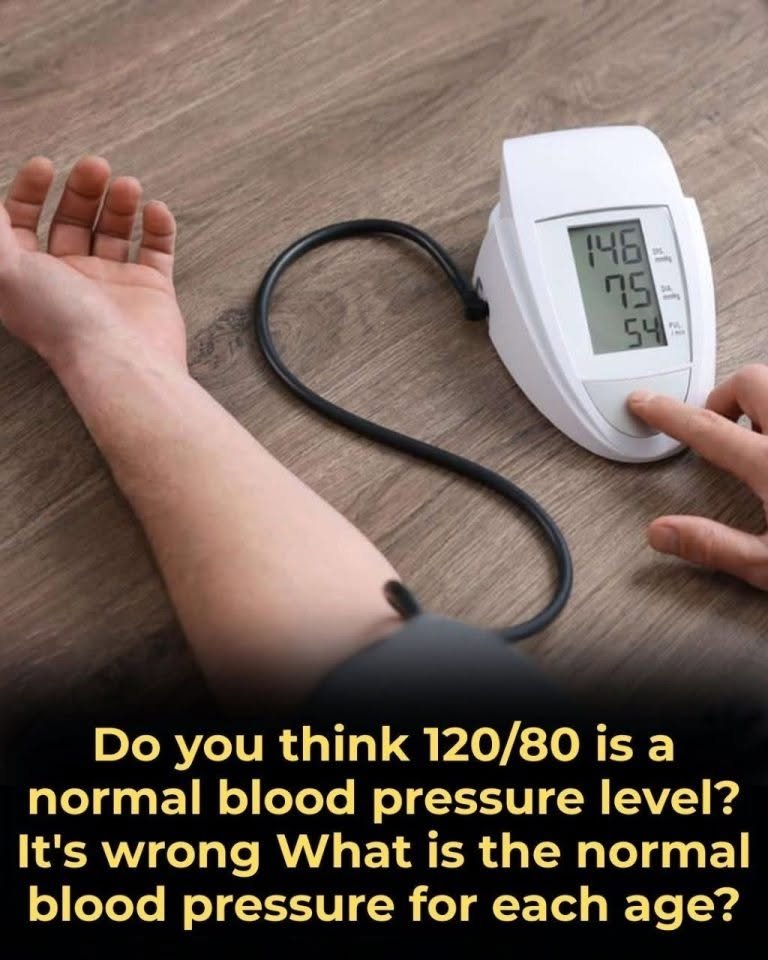
The definition of normal blood pressure does not change with age for adults.
For years, many believed it was normal for blood pressure to rise as you got older. Current guidelines from the American Heart Association (AHA) and the American College of Cardiology (ACC) have eliminated that way of thinking. The goal for most adults, whether you’re 30 or 70, is the same: below 120/80 mm Hg.
Here’s a clear breakdown of what the numbers mean and the nuances for different life stages.
The Official Adult Blood Pressure Categories
These categories apply to all adults aged 18 and older. If your systolic (top number) and diastolic (bottom number) fall into different categories, the higher one determines your stage.
| Category | Systolic (Top Number) | Diastolic (Bottom Number) | |
|---|---|---|---|
| Normal | Less than 120 | and | Less than 80 |
| Elevated | 120 – 129 | and | Less than 80 |
| High Blood Pressure (Hypertension) Stage 1 | 130 – 139 | or | 80 – 89 |
| High Blood Pressure (Hypertension) Stage 2 | 140 or higher | or | 90 or higher |
| Hypertensive Crisis (Seek emergency care) | Higher than 180 | and/or | Higher than 120 |
What about “borderline” high blood pressure? That old term is now officially Stage 1 Hypertension, and it’s a signal to take action.
Why Age Still Matters (Even Though the Goal Doesn’t Change)
While the target of <120/80 is universal for adults, your risk and the way your blood pressure behaves do change with age.
In Your 20s and 30s
-
The Silent Issue: High blood pressure is often undiagnosed in young adults. You can feel perfectly healthy with a reading of 135/90.
-
Focus on Diastolic: Isolated diastolic hypertension (where only the bottom number is high) is more common in younger people.
-
Takeaway: A single high reading doesn’t mean you have chronic hypertension, but it’s a red flag. Lifestyle changes now are incredibly effective.
In Your 40s and 50s
-
The Shift: This is when high blood pressure often transitions from a diastolic to a systolic problem. Your arteries naturally begin to stiffen slightly.
-
Elevated is a Warning: A consistent systolic pressure of 120-129 (elevated category) means you are very likely to develop full hypertension within a few years unless you make changes.
-
Takeaway: This is the most critical time to manage stress, weight, salt intake, and exercise. The habits you build here will heavily dictate your cardiovascular health later.
In Your 60s, 70s, and Beyond
-
Isolated Systolic Hypertension: The most common form of hypertension in older adults is when the top number is high (≥130) but the bottom number is normal (<80). This is due to stiffened arteries.
-
The Orthostatic Hypotension Risk: The body’s ability to regulate blood pressure quickly when standing up can slow with age. Your pressure might be normal sitting but drop significantly upon standing, causing dizziness.
-
Takeaway: Treatment is still highly beneficial and proven to reduce heart attacks and strokes, but doctors may be more cautious, using the “start low and go slow” approach with medication to avoid sudden drops.
Crucial Nuance: The “Frail” Older Adult
This is the one area where a slightly higher target might be considered. For an adult in their 80s or older with multiple chronic conditions, significant frailty, or a limited life expectancy, the risks of aggressive treatment (like falls from dizziness) might outweigh the benefits. A doctor may set a personalized target of, say, 130-140 systolic. This is a specific medical decision, not a general age-based rule.
Getting an Accurate Reading (It’s Trickier Than You Think)
A single high reading in a doctor’s office (“white coat hypertension”) is common. To truly know your numbers:
-
Prepare Correctly: Sit quietly for 5 minutes beforehand, with your feet flat on the floor, back supported, and arm at heart level. No caffeine, exercise, or smoking for 30 minutes prior.
-
Use a Reliable Home Monitor: An FDA-cleared, automatic, upper-arm cuff monitor is best. Avoid wrist and finger monitors.
-
Measure Consistently: Take two readings, one minute apart, in the morning before medication and in the evening. Track them for your doctor.
The bottom line: A “normal” blood pressure target of below 120/80 is the goal across the adult lifespan. Age doesn’t give you a free pass to have higher blood pressure; it just highlights the growing importance of monitoring and managing it wisely.
Disclaimer: This guide is for informational purposes only. It is not a substitute for professional medical advice. Always consult your physician regarding your individual blood pressure goals and treatment plan.